Erigavo, (Sahan Post):-The people of the Sanaag region, which lies within the largest region of Somaliland, have collectively opposed the recognition allegedly granted by the Israeli occupying authority of Palestinian territories, to the northern Somali administration known as Somaliland.
Residents of the Sanaag region, the largest region in northern Somalia, have strongly rejected what has been described as Israel’s unilateral recognition of Somaliland. The populations of the districts of Badhan, Erigavo, Hadaftimo, Dhahar, Buraan, Xingalool, and Baraagaha Qol have openly opposed the so-called recognition of Somaliland.
The residents of these areas have called on Israel to withdraw the recognition it announced independently and to respect the unity and sovereignty of Somalia. The Sanaag community has also warned Israel that such recognition could lead to conflict and instability among communities living in these regions.
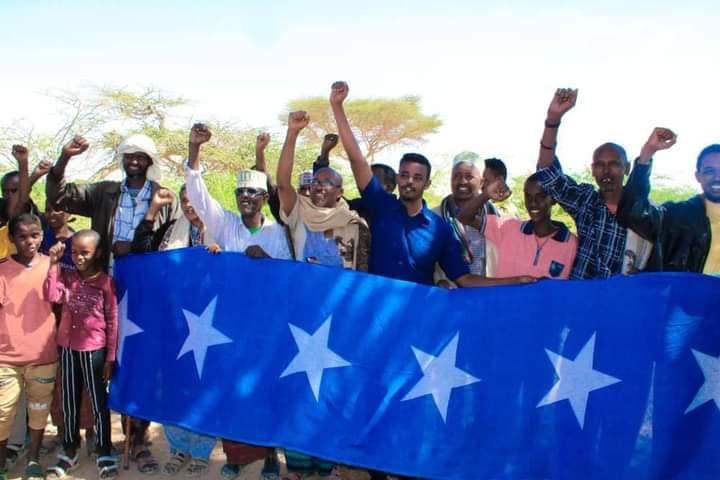
These protests and expressions of rejection follow a series of ongoing demonstrations that have taken place in the Awdal and Sool regions of northern Somalia, where there is strong opposition to the secessionist agenda. This agenda is said to be supported only by a small minority of people concentrated in limited areas of northern Somalia, a territory that during the colonial period was referred to as Somaliland.
The northern regions, known as Somaliland prior to 1960, currently consist of five regions: Sanaag (the largest), Sool, Awdal, Sahil, and Togdheer.
The populations of Sanaag, Sool, and Awdal strongly oppose the idea of secession, while the communities of Sahil and Togdheer are described as the only groups advocating separation from the rest of Somalia.
In numerical terms, the populations of Sahil and Togdheer constitute less than 30% of the inhabitants of Somaliland or northern Somalia, while the remaining 70%—living in Sanaag, Sool, and Awdal strongly oppose secession and wish to remain part of Somalia.
The residents of Hargeisa, Burco, and Berbera in the Sahil and Togdheer regions, who identify themselves as the sole representatives of Somaliland and concentrate political power, resources, and economic benefits within their own cities, are accused of disregarding the wishes of the remaining 70% of the population. The wealth and resources of these regions are said to be confined almost exclusively to Hargeisa, Burco, and Berbera.
“This vision, which is supported by less than 30% of the population and is being promoted by an administration that occupies Palestinian land by force, is creating conflict and endless disputes among the communities of these regions,” said Mohamud Ahmed, a scholar specializing in Somali foreign policy.
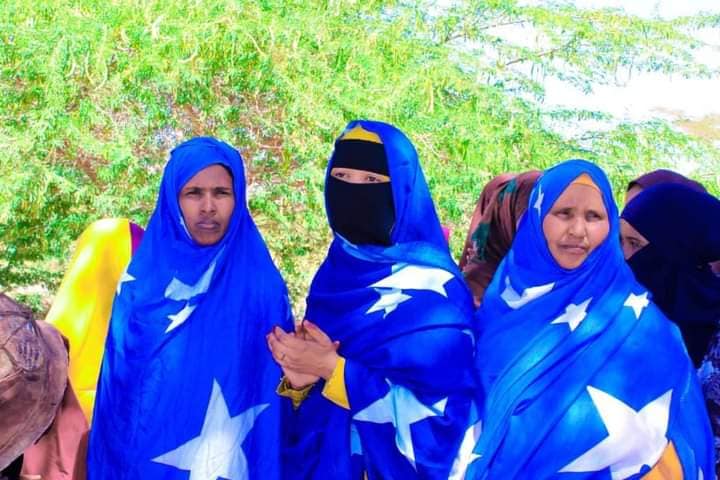
“Seventy percent of the people living in northern Somalia, or Somaliland, do not want to separate from the rest of Somalia. So how can the views of a single clan, living in only two regions, be imposed on the majority of the population who do not wish to be part of secession?” Mohamud Ahmed added.
In any case, northern Somalia or Somaliland is inhabited by four major clans: Warsangeli, Gadabursi, Dhulbahante, and Isaaq. “The clans advocating secession are described as segments of the Isaaq clan living in Hargeisa, Burco, and Berbera, while the Warsangeli, Gadabursi, and Dhulbahante clans of Sanaag, Awdal and Sool regions, wish to remain part of a united Somalia. Therefore, the will of the majority cannot be overridden or coerced by the desires of a small minority“ Says Mohamud.
However, the unilateral recognition of Somaliland by the Israeli occupying authority has faced enormous backlash and widespread rejection across the world and throughout Africa. Many have called on Israel to withdraw its recognition and to respect Somalia’s independence and sovereignty. This development has also led to the termination of all contracts and agreements with the United Arab Emirates and the Federal Republic of Somalia, with accusations directed at Abu Dhabi for facilitating Israel’s actions and acting as an accessory in the division of Somalia and its people.
Sahan Post
info@sahanpost.com
Discover more from SahanPost - English
Subscribe to get the latest posts sent to your email.